
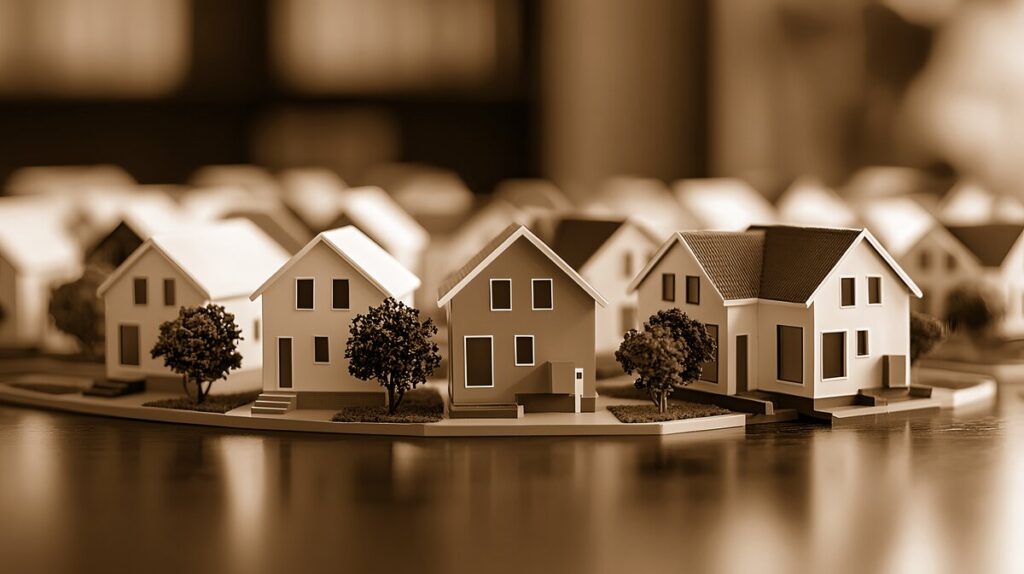
Glencoe, Illinois, is a village renowned for its tree-lined streets, gracious architecture, and a rich sense of history that weaves through every corner. Among its many storied neighborhoods, Glencoe Hills occupies a special place—balancing a legacy of community, architectural diversity, and natural beauty. Longtime residents and newcomers alike often find themselves drawn to its timeless charm, but the story of Glencoe Hills goes much deeper than meets the eye.
The Origins of Glencoe Hills
The birth of Glencoe Hills can be traced back to the early 20th century, as the population of Glencoe began to surge alongside Chicago’s expansion. Before development, the area now known as Glencoe Hills was a landscape of rolling prairies, oak savannas, and gentle hills that provided a scenic welcome to those traveling northward from the city. Early landowners recognized the unique geography—higher elevations and undulating terrain not found elsewhere in the village—which naturally inspired the “Hills” moniker.
As the post-World War I era unfolded, subdivisions began to take shape. The 1920s brought an influx of residents seeking spacious lots and proximity to both the village center and Lake Michigan. The boundaries of the neighborhood, generally defined by Dundee Road to the north, Green Bay Road to the east, Vernon Avenue to the south, and the Metra tracks to the west, soon encompassed rows of new homes set along winding streets such as Sunset Lane, Longwood Avenue, and Timber Lane.
The Story Behind the Name
The name “Glencoe Hills” reflects both local heritage and geographic character. “Glencoe” itself is believed to pay homage to a picturesque valley in Scotland, chosen by early settlers of the village to evoke the same combination of beauty and strength. Adding “Hills” denoted not just the physical elevation of the land, but also the sense of pride and aspiration the area represented. Generations have cherished the name, associating it with a tradition of community and upward momentum.
Key Historical Milestones
- 1928: First Residential Development
With Chicago’s suburbanization well underway, the first modern homes began to dot the streets of Glencoe Hills. Architectural styles ranged from Tudor and Colonial Revival to the early hints of Midcentury Modernism.
- 1937: The Green Bay Trail Expansion
The transformation of an old rail corridor into today’s beloved Green Bay Trail had a profound impact, connecting Glencoe Hills more closely with downtown Glencoe and neighboring communities—both physically and socially.
- 1950s-1960s: A Period of Growth
Following World War II, the area saw rapid development as families sought tranquil neighborhoods with good schools and parks. Streets like Maple Hill Road and Glenridge Lane became emblematic of the neighborhood’s postwar boom.
- 1974: Establishment of Vernon Park
One of the jewels of Glencoe Hills, Vernon Park, was officially opened to the public. Serving as a gathering place for young families and community events, it remains a beloved focal point.
- 1990s-Present: Preservation and Renewal
As historic homes reached age milestones, residents undertook sensitive renovations, often with guidance from the Glencoe Historical Society. This ensured preservation of character while welcoming modern amenities.
Notable Landmarks and Institutions
Glencoe Hills is home to numerous quiet landmarks that speak volumes about its heritage:
- Vernon Park
Nestled at the heart of the neighborhood, this green space offers playgrounds, walking paths, and space for everything from summer picnics to winter sledding. Locals affectionately call it “the neighborhood’s backyard.”
- Historic Residences
A stroll down Longwood Avenue or Timber Lane offers glimpses of stunning early- to mid-20th-century homes. Many feature hallmark details like slate roofs, stone fireplaces, and intricate brickwork—a testament to the craftsmanship of bygone eras.
- Sacred Spaces
Not far from the neighborhood’s edges stands Glencoe Union Church on Greenwood Avenue, a beloved institution with a century of community service. Though not technically within Glencoe Hills, its presence has shaped the social life of the neighborhood for decades.
- Green Bay Trail
This repurposed railroad path serves as a scenic corridor for walkers, runners, and cyclists, connecting the neighborhood to the broader Glencoe area and reinforcing a legacy of outdoor activity and neighborly connection.
Evolution Over the Decades
The soul of Glencoe Hills lies in its ability to balance tradition and change. Where once the lots were edged with wild prairie grass, gardens now flourish. While early residents commuted to Chicago by steam train, today’s families use the nearby Metra station for quick, comfortable rides downtown.
Over the decades, Glencoe Hills has evolved to meet the needs of its residents without losing sight of its heritage:
- *Architectural Diversity*: A hallmark of the neighborhood is its harmonious blend of old and new. Recent years have seen sensitive additions of contemporary homes that reflect both environmental stewardship and respect for classic styles.
- *Community Spirit*: Holiday parades, block parties, and garden tours keep traditions alive and foster bonds among neighbors old and new.
- *Green Spaces*: Parks like Vernon Park have been carefully maintained, while efforts to plant and preserve native trees have only strengthened the neighborhood’s signature leafy canopy.
Even as demographics shift, there’s a strong current of continuity—young families are drawn to the excellent schools and safe, walkable streets, while long-established households remain to enjoy a rich network of friendships.
A Place with a Living Legacy
For all who have called Glencoe Hills home, the neighborhood’s story is an ongoing one. With every addition to a front porch, every year the maples and oaks grow taller, a new chapter is written—rooted in history yet open to the future.
Residents love to share stories over backyard fences: tales of legendary snowstorms, epic block-party cookouts, or the time a local child’s lemonade stand brought the whole street together. Every memory becomes part of the landscape, giving the hills of Glencoe more than just elevation—they give it heart.
For those just discovering this special enclave, or simply taking a leisurely walk down its winding, shaded streets, Glencoe Hills offers more than scenic beauty. It offers a welcoming embrace—a place where the past is honored, the present is cherished, and the future always feels bright.